Golf was first introduced to the Olympic Games in 1900 and 1904. However, after these initial appearances, the sport was discontinued for over a century. The long-awaited return of golf to the Olympics finally occurred in the 2016 Rio de Janeiro Games. This reintroduction faced significant challenges, including the construction of a new golf course and the widespread concern over the Zika virus in Brazil. Additionally, Rio’s status as a less-than-ideal host city added to the complexities.
The 2016 Rio Olympics
Due to these factors, many of the world’s top golfers at the time, such as Jordan Spieth, Jason Day, Rory McIlroy, and Dustin Johnson, opted out of participating. The strict limit of four golfers per country further complicated team selection for the United States, which already has an abundance of top-tier players. Interestingly, this limitation is stricter than those for the Ryder Cup or President’s Cup, tournaments that players are typically eager to join despite not receiving pay.
Despite the absences, the 2016 Olympics fielded a commendable U.S. team featuring Rickie Fowler, Matt Kuchar, Patrick Reed, and Bubba Watson. Other top global players, including Justin Rose, Henrik Stenson, Danny Willett, and Sergio Garcia, also participated, lending credibility to the event. The field’s quality was reflected in its 285 rating, and the winner received 46 world ranking points, which should have been a significant draw, unlike the Ryder Cup or President’s Cup where there is no ranking points.
Ultimately, the medals were won by some of the top-ranked players: Justin Rose (gold), Henrik Stenson (silver), and Matt Kuchar (bronze). This outcome helped establish the legitimacy of Olympic golf. Had a less prominent player, such as Marcus Fraser who finished fifth, won gold, the perception might have differed, but the best “Rose” to the occasion. I believe when Justin Rose’s or Henrik Stenson’s legacy is written winning Gold and Silver will be some of the most significant achievements in their careers, especially as Olympic golf grows. This was the reintroduction to the Olympics, and really in one of the worst places even beyond the issues mentioned earlier, they had to construct a golf course. There was no golf history even at the course.
The 2020 Tokyo Olympics
Anticipation for the next edition of Olympic golf in Tokyo was high. Tokyo, with its rich golf history and fewer infrastructural issues, seemed poised to host a smoother event. However, the COVID-19 pandemic brought its own set of challenges. Again, some top players chose not to participate due to the pandemic’s restrictions. As Louis Oosthuizen aptly put it, “they didn’t make it easy for us.”
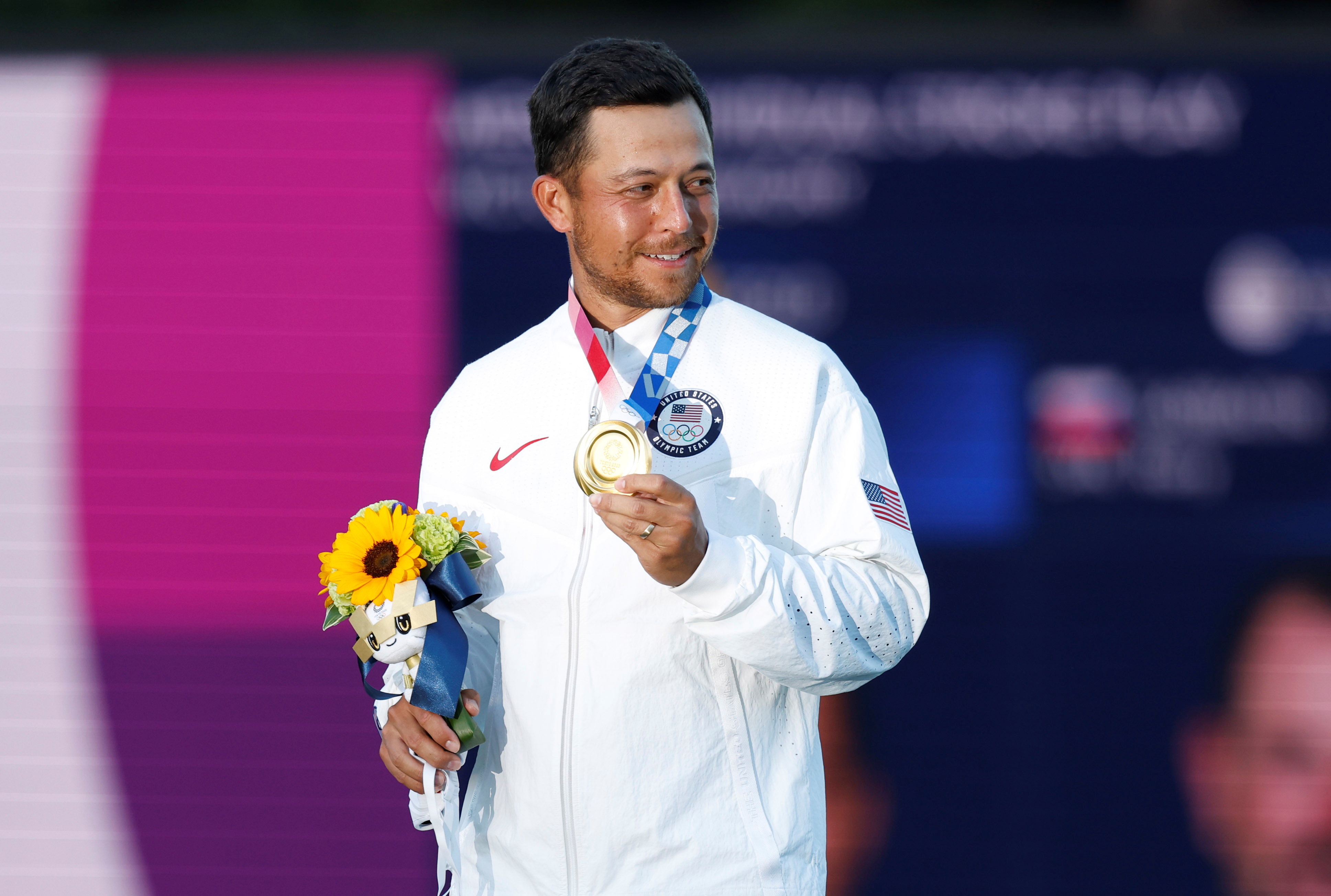
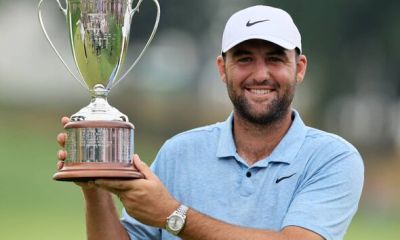
Despite these hurdles, the 2020 Olympics (held in 2021) featured a slightly stronger field with a 319 rating. Xander Schauffele took home the gold, a significant victory for a player who at the time hadn’t won a major yet. Over time, this win is likely to be viewed more favorably by golf fans and historians as well.
The Future: 2024 Paris Olympics
The real test for Olympic golf will likely come in 2024 in Paris. Fort he first time there was no reason for any top player to skip the event like the previous iterations. Le Golf National, the course chosen for the competition, has been hosting the oldest tournament in continental Europe since 1991. This prestigious venue is exactly the kind of place to play the Olympics.
Unfortunately now there is participation of LIV golfers that has thrown another wrench into the tournament. Unlike majors that have been inviting LIV golfers despite not meeting criteria, the Olympics will stick to the official world golf ranking points which the LIV golfers have few opportunities to accrue. Six LIV golfers have qualified amazingly, even as they have gotten few Official World Golf Points since joining LIV.
Abraham Ancer was 20th when he left the PGA tour and is now 312th, but still qualified for Mexico. That gives you a snap shot into how close some of these cases are and case specific. Jon Rahm and Joaquin Niemann did qualify. However there are some notables like Cam Smith who certainly would have made it for Australia. Brooks Koepka and Bryson DeChambeau who are major winners since moving to LIV would have had a shot as well with DeChambeau certainly likely to have been in as some lower tier golfers like Mito Pereira (who was T4 at Tokyo). DeChambeau is 9th in the world despite only playing in 9 countin events where 40 is the threshold. That’s three of the 15 best golfers in the world who are unable to play mostly because of their choice to go to LIV. Still this is the best Olympic golf field we have had to date.
Impact on Legacy
The argument that millionaire golfers don’t need the Olympics doesn’t hold water. For instance, spots on the U.S. basketball team are highly sought after, despite the winners often being a foregone conclusion. Similarly, the Ryder Cup is a prestigious event for golfers despite the lack of financial incentive. Representing one’s country on the Olympic stage should be a meaningful goal. I would argue it can be a bigger deal than even the majors for a players legacy when we get fields like this on.
The reason I believe that is just look how rare it is, only given the shot once every four years. There is a window where you have limited opportunity to win even in Golf that is a longer window than most sports. Even qualifying for it is a special thing, certainly as an American. Just look at the four qualifiers this year, all were ranked in the top 7. You have to be the elite of the elite to even qualify as an American. There are good players left out of the even from other countries as well. There are only 60 Olympian golfers in the field.
Those that passed on the opportunity like Jordan Spieth believing he would likely have many opportunities probably will never have another opportunity to play in it. Patrick Cantlay miss the chance this year and he was ranked 7th in the world after being a top 5 mainstay the last 3 years. It’s the 2nd time missing the Tokyo Olympics as well as the first man out ranked 7th. It’s a high bar. Likewise someone who did take the opportunity like Matt Kuchar has one of his biggest career legacy building achievements in my opinion taking home the Bronze. Even someone like Rickie Fowler who didn’t finish well has a Olympic tattoo. You can never take the Olympian title from him or the experience which he cited as a great thing.
For someone like Dustin Johnson or Brooks Koepka who moved on to LIV and likely will never play in the Olympics, they probably don’t care, but for those golfers who stuck with the PGA Tour legacy seems to be at least part of the equation.
Conclusion
Looking back at the reintroduction of tennis to the Olympics, it took a few editions for the event to gain traction. Olympic gold in tennis has become a significant achievement, contributing to a player’s legacy. Andre Agassi’s career, for example, is celebrated not just for his Grand Slam wins but also for his Olympic gold, completing the “Golden Slam.” Golf has the potential to reach similar heights. In tennis we see Novak Djokovic, the greatest tennis player ever rushing back from knee surgery for the opportunity to play in the Olympics a month after Surgery it’s that important. Being the last box having never won a gold to check. The upcoming Paris Olympics will be a crucial test, and success there could solidify Olympic golf’s place as a cornerstone of the sport. I do believe at some point winning gold in golf will be on a similar tier as a major and how it has risen in tennis since it’s first introduction.