The NBA’s Growing Injury Problem Among Top Players
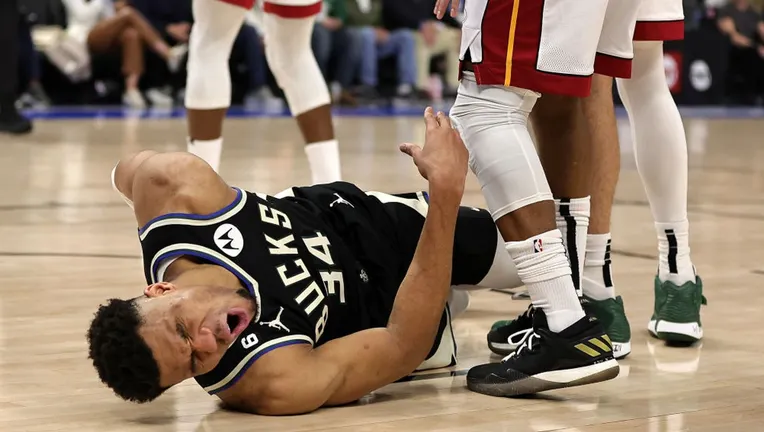
The NBA is currently facing an unprecedented wave of injuries among its star players, with top athletes missing games at a record pace. Missed games have surged by 35% compared to this time last season, and the rate is already 16% higher than the year before. This trend has only accelerated over the last decade. Despite measures such as the NBA’s Player Participation Policy and a new 65-game minimum requirement for postseason awards, absences by All-Star and All-NBA players continue to rise. As of this season, the league’s 49 stars from the last three years have collectively missed 83 games, already surpassing last season’s 67 at this point in the season.
Comparing Past Eras of NBA Endurance
To understand today’s increase in injuries, it’s helpful to look back at past NBA legends who were known for their exceptional endurance. For example, Wilt Chamberlain famously played all 48 minutes per game for an entire 82 game season during the 1960s and maintained high minutes even in his late career. At age 36 and nearly 300 pounds, Chamberlain was still played all 82 games averaging 43 minutes per game—all while wearing basic canvas sneakers and relying on the limited sports medicine and nutrition resources of the time. In contrast, today’s players benefit from state-of-the-art training facilities, private flights, sports medicine experts, nutritionists, sleep specialist and carefully managed game schedules designed to minimize strain. Yet, despite these advancements, injuries are on the rise.
The contrast is clear: stars of the 1960s, 1970s, and 1980s logged heavy minutes every season, many at much higher pace, while the 1990s introduced “iron men” like Karl Malone and John Stockton, who routinely played full 82-game seasons at over 40 minutes per game well into their late 30s. In recent years, however, even with advances in medical care and preventative strategies, players are missing games at unprecedented rates. This raises a fundamental question: why?
The Evolution of the Game and Its Physical Toll
One possible factor is the evolution of the game itself and so many more three pointers. Today’s play style emphasizes constant movement and relentless defensive close-outs on three-point shooters, which places significant stress on players’ muscles and joints. The need to sprint and make rapid directional shifts across the court to defend three’s is much greater than in past eras, when the game was more focused around the paint. This high-speed, lateral movement may be contributing to an increase in soft-tissue injuries as athletes’ bodies are forced to adapt to new, more rigorous demands.
The players are bigger and, in many cases, quicker at that size due to weightlifting and a larger talent pool to choose from, as basketball is a global game and millions more to pick from. This also contributes to injuries when moving this mass to close out, in my opinion.

| Decade | Average Height | Average Weight |
|---|---|---|
| 1950s | 6’3″ (190 cm) | 195 lbs (88 kg) |
| 1960s | 6’4″ (193 cm) | 200 lbs (91 kg) |
| 1970s | 6’5″ (196 cm) | 210 lbs (95 kg) |
| 1980s | 6’7″ (200 cm) | 215 lbs (98 kg) |
| 1990s | 6’7″ (200 cm) | 220 lbs (100 kg) |
| 2000s | 6’7″ (200 cm) | 225 lbs (102 kg) |
| 2010s | 6’7″ (200 cm) | 225 lbs (102 kg) |
| 2020s | 6’7″ (200 cm) | 230 lbs (104 kg) |
Other reasons I have heard and considered, like players being overspecialized with dozens of AAU and high school games wearing them down, I personally don’t buy into. I believe most young players are in the gym most days, playing pickup; whether it’s organized or not, they are on a court practicing. Perhaps there was more crossover between sports years ago, with players like Jordan spending a couple of months playing baseball, but most 6’7″+ guys aren’t playing baseball or football and would have always focused on basketball, especially since the ’80s and ’90s, when national basketball camps were also common during the summer.
Franchises’ Protective Approach to Player Health
Another reason for increased absences may be the cautious approach that franchises now take with their star players. With heightened stakes in the postseason and player health as a high priority, teams are increasingly protective, often holding players back from playing through minor injuries to preserve them for playoff contention. In the past, players were expected to play through pain, but today’s approach prioritizes rest over risking long-term damage, with teams and trainers favoring caution over immediate returns. This isn’t the entire reason, but I do believe it contributes to a portion of the problem, especially considering how much is invested in these players financially today it’s justified to be more cautious.
The Role of Individual Longevity
Some players, such as 35-plus-year-old LeBron James, remain resilient despite the high-intensity demands of the modern game. However, while individual genetics and longevity explain the durability of a few players, they don’t fully account for the general increase in injuries across the league. The improvements in resources, knowledge, and health protocols have not translated into improved durability for the majority. Instead, a combination of modern play style, increased muscle mass and size, heightened expectations, and a more protective stance on player health may be driving the rising number of games missed by today’s top athletes.
Conclusion
While the NBA has implemented policies aimed at reducing missed games and protecting players, the current environment—with its physical demands, cautious medical approach, and focus on playoff readiness—has led to a unique era where injuries among elite players are more common than ever. As the league continues to adapt, the question remains: will the NBA find a balance between the intensity of the game and the health of its star players? Ultimately, I believe the increased distance and the necessity of closing out on three-point shooters, combined with the intensity required to guard on the perimeter, is the biggest factor driving these injuries in today’s game. It’s probably going to be a hard thing to combat as the point range and volume only continue to increase, with players becoming more adept at getting even contested shots off in ways they never were decades ago. It puts lots of demands on the body to close out and try to defend.


College Basketball
2026-27 Preseason College Basketball Projections: AdjEff Model

College Basketball
2026-27 Preseason College Basketball Player Ratings: AdjEff Model

College Basketball
Refining the Lens: The 2026 International-to-NCAA Translation Model


College Basketball
Transfer Portal Basketball Rankings 2026

College Basketball
2026-27 Preseason College Basketball Projections: AdjEff Model
College Basketball
2026-27 Preseason College Basketball Player Ratings: AdjEff Model
College Basketball
Refining the Lens: The 2026 International-to-NCAA Translation Model


College Basketball
Summer Clearance: Bargain Bin Shopping in the Portal


College Basketball
The Top 300 Returning Players

College Basketball
Top 200 transfers by Adjusted Efficiency