College athletic programs love to brag about football. Big stadiums, massive payrolls, sprawling coaching staffs, and donors willing to burn millions for a shot at eight wins and a December bowl. But if your goal is winning, brand growth, and maximizing impact per dollar, the most efficient sport isn’t even close: it’s basketball.
The math is simple. In basketball, one elite player can influence 90–95% of a game, on both ends of the court because they can be on the court. In football, even your best talent is 1 of 11 on a single side of the ball, playing only a fraction of snaps with far higher injury risk. You can pay a left tackle a fortune, hope he stays healthy, and pray his 40–50 snaps a game matter—but one star wing who plays 35 minutes, scores 20+ points, defends the opponent’s best player, and controls the floor changes everything. There is no comparison in ROI.
Smart programs don’t need to abandon football overnight, but they should gradually shift financial support toward basketball. With revenue sharing, salary-cap–like constraints on the overall athletic program, and finite donor resources, the schools that win in the next era will allocate money where it produces the highest competitive return, not where tradition dictates it “has to go.”
Consider a hypothetical revenue sharing budget that is 75% directed to football of the overall $21 million. Spread across 85 football scholarships plus staff, analysts, and trainers, the impact per dollar is diluted. Concentrate that same budget on 13 basketball scholarships, invest in a few elite recruits, analytics, and coaching, and one or two stars can transform a program almost overnight. In a capped or semi-capped system, concentration beats diffusion.
The way the system is currently set up there will already be Big East teams or non football playing mid majors like VCU that theoretically will have more money to spend on basketball than SEC or Big Ten schools who very expensive football programs with infrastructure to protect.
Meanwhile, football’s long-term trajectory is concerning facing a structural decline . National participation in youth and high school football has declined steadily for over a decade, driven by demographics, concussion concerns, and parental attitudes.
Declining Youth Participation
Youth football participation has been on the decline for several years. Between 2019 and 2022, regular participation in core team sports among youth ages 6–17 decreased by 6%, equating to approximately 1.2 million fewer children playing team sports regularly Project Play. Specifically, tackle football experienced a 13% drop in participation among children aged 6–12 from 2019 to 2022 rmstudygroup.com. This decline is attributed to various factors, including increased concerns over head injuries ABC News+1.
Impact on Future Talent and Fandom
As fewer children engage in football, the future talent pool diminishes, leading to potential challenges in maintaining the sport’s competitive level. Moreover, the lack of personal connection to the sport among younger generations may result in decreased fandom. Data indicates a significant generational shift in sports media consumption, with fans aged 18–29 dedicating only 25% of their time to live sports content, compared to 60% for fans over 60 L.E.K. Consulting. This trend suggests that younger individuals are less likely to develop the same level of passion and loyalty to football as previous generations.
Parental Influence and Perception
Parental attitudes play a crucial role in children’s sports participation. Studies have shown that nearly 70% of kids drop out of organized sports by the age of 13, often due to factors such as financial constraints and lack of enjoyment Medium. Additionally, a national survey from 2015 found that 25% of parents do not allow their children to play contact sports due to concerns about concussions ABC News. These concerns may lead parents to discourage their children from pursuing football, further contributing to the sport’s declining participation rates.
The decline in youth football participation, coupled with shifting generational interests and parental concerns, presents significant challenges for the sport’s future. Addressing these issues requires concerted efforts to make football more accessible, safer, and engaging for younger audiences.
Cultural and demographic shifts further erode football’s dominance. Affluent suburban and some urban families increasingly avoid contact football, while alternative sports like basketball, and soccer, grow in popularity. From a media standpoint, basketball is better suited to social-media-driven, highlight-heavy attention, with nonstop motion and star-focused narratives.
It may take several decades, but it’s quite likely we will begin to see the grip that football has on college athletics begin to erode as generational connections with the sport weaken. Of course, there will always be an appetite for the game in certain corners — individuals willing to accept the risks for the financial opportunities, or those who dismiss the science around brain injuries — but for the broader masses I believe we will see an overall decline in supporting it the way it has been knowing it damages young people. As fewer young people develop a personal bond with football — either because they never played it, their parents discourage participation or watching it that might lead to them wanting to play — the talent pipelines and fan-base for college football may diminish when those generations reach middle age and having their own children who they raised with even less appetite for it. Without that connection, the sport’s long-term decades out dominance is far from guaranteed.
One Player Matters More in Hoops
On a basketball court, one elite player is constantly involved. He scores, defends, initiates offense, stretches the floor, controls tempo, and dictates the outcome on nearly every possession. Every trip down the court is an opportunity to impact the game.
Football stars, by contrast, often spend significant portions of the game on the sidelines. A wide receiver might play 35–50 snaps and be targeted only a handful of times. Defensive backs may be good enough that Quarterbacks never throw their way and just pick on teammates instead. Even the most talented players often blend into the background and in football especially on defense you are only as strong as your weakest link. In basketball, stars decide games; in football, they hope to influence them.
Talent Identification Is Easier and More Reliable
Football recruiting is notoriously chaotic. Coaches are projecting 17-year-olds who aren’t fully physically developed, often needing 30–50 pounds of muscle and sometimes grow into a complete position change. Even highly ranked prospects frequently miss expectations. In football you still need to rely more on high school to fill out an 85 man roster and most are years away from really helping.
Basketball is clearer. A 6’8” athlete with coordination, mobility, and shooting touch is identifiable at a young age. Skills translate directly, and player rankings are significantly more predictive. Add D1 transfer rules, and programs can acquire proven talent instead of gambling on teenagers. One look at a stat sheet, plus film, often tells you almost everything you need to know about a player’s impact. The evaluation process is far more reliable, and the bust rate is lower. You never even have to add high schoolers if you don’t want to. You can let someone else lower down the food chain farm them up. If you do find one you want to invest in chances are they will have some chance to compete early compared to football.
Smaller Rosters, Bigger Impact
Basketball requires a fraction of the roster football does. Typically, seven high-quality players can change a season:
1 star
2 high-level starters
2 role players
2 productive reserves
Seven players can transform a program. Honestly you could invest the majority of the resources into as few as four and if you got an elite four would probably be much better off. You could fill our the rest of the roster with players that want an opportunity. It’s much easier to hit on the role player portion or at least find guys cheap that can do 75% of what you need with solid recruiting. In football, schools spread millions over 85 scholarships, a massive coaching staff, and dozens of marginal contributors, it’s not as realistic to even find the guys you need that make the impact. The concentrated investment in basketball maximizes every dollar and increases the odds of building a competitive, nationally relevant program quickly.
The Smarter Play in the NIL Era
Basketball now represents the most efficient athletic investment:
Lower cost to build a winner
More predictable recruiting outcomes
Stars impacting nearly every possession
Smaller rosters mean fewer mistakes and less wasted spend
Higher brand visibility, NCAA exposure, and postseason ROI per dollar
Football is a money pit. Basketball is a money multiplier. If the goal is actual winning, programs need to prioritize the sport with a higher ceiling and measurable returns.
The Schools That Should Zig While the Alabama’s Zags
If football is the financial arms race of college sports, Group of Five programs are showing up with pocket change. Basically every G5 school would be better off shifting the majority of investment into basketball. The math is clear: in football, a G5 program has virtually no path to a national title. In basketball, a single lottery pick, a strong coach, and a little luck can put you in the Final Four.
It’s not just G5 schools. Several Power-Conference programs also face limits in football: you cannot out-spend the SEC or replicate its recruiting pipelines or fan support to make it worth it. For these schools, the smart play is to zig toward basketball while the Alabama’s, Georgia’s, and Texas’s continue to pour cash into football.
Obvious candidates include:
Vanderbilt – Basketball-friendly city, brand better suited for hoops than SEC football. Maybe it controversial as they are currently nationally ranked, but they can’t compete longterm in the SEC with these football powers. Why not try to become the Duke basketball of the SEC?
Northwestern – Similar to Vanderbilt, with the academic considerations why not go all in on trying to be a basketball power rather than Big Ten football mediocrity. While Ohio State has to spend 75% of their 21 million in revenue sharing and has 3 million left over for basketball why not flip the script and have 10 million on your basketball and watch Indiana and Kentucky’s head’s melt.
Boston College – Football ceiling is low in the northeast; basketball is the realistic path to relevance.
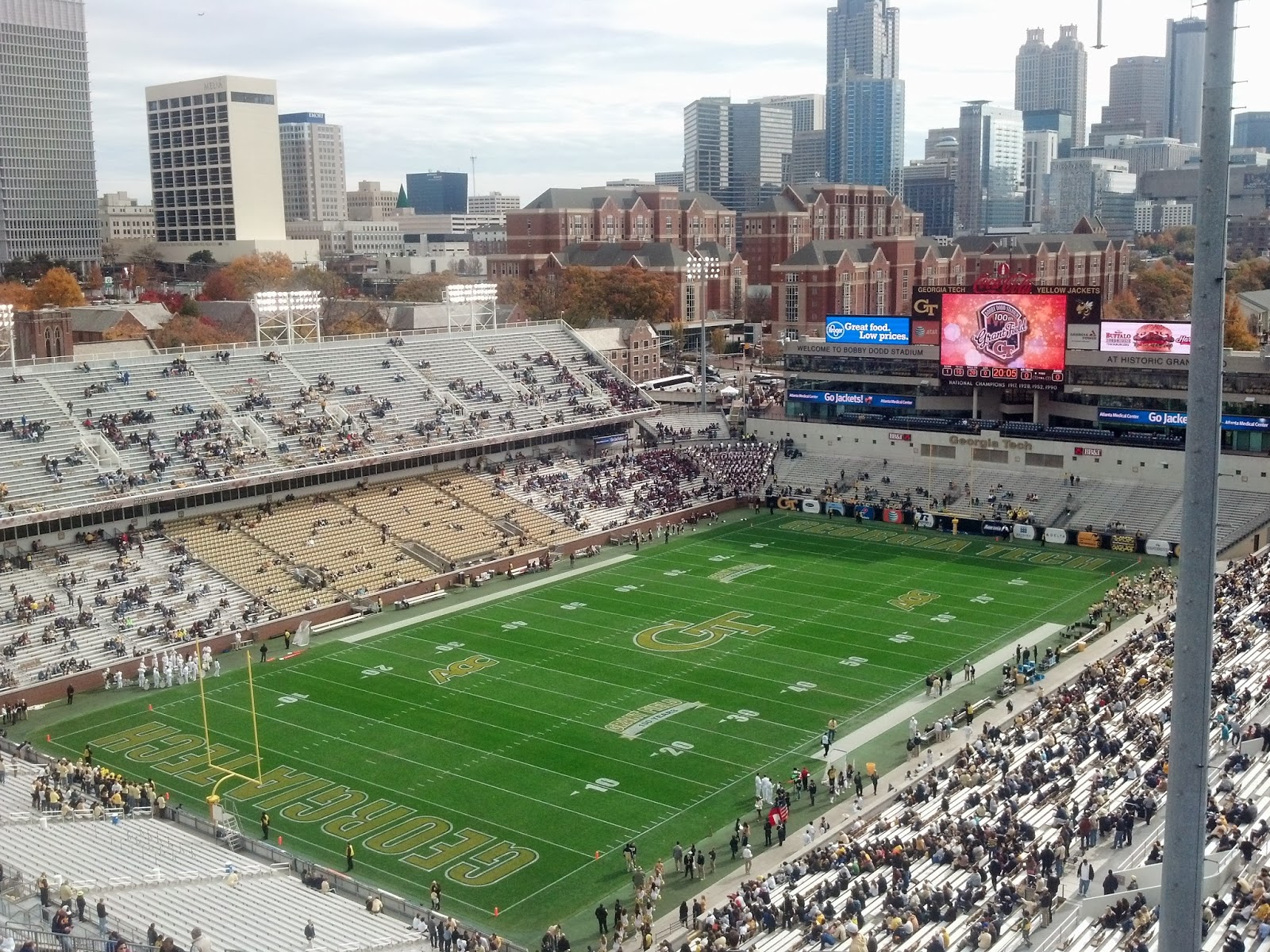
Georgia Tech – Atlanta recruiting and basketball history outweigh football potential and the shadow Georgia cast 45 minutes away. Chart a different path.
Stanford – Academic standards limit football talent; basketball can attract elite prospects. Again try to be the Duke of the west in basketball as well.
Cal – Football lacks identity; basketball thrives in talent-rich region.
Wake Forest – Proven ceiling in basketball (Tim Duncan, Chris Paul) versus football limitations. and fan support.
Virginia Tech – Beamer isn’t coming back through that door. It might be time to rethink trying to fund a program that can compete with the SEC.
Washington State – Isolation hinders football; basketball success achievable with 2–3 key recruits. It makes even more sense in the watered down Pac 12.
Oregon State – Football ceiling low anyway; basketball offers higher upside.
Rice – Academics cap football; basketball Sweet Sixteen possible with smart investment.
Tulsa – Historically relevant in basketball, football success unrealistic.
Temple – Philadelphia talent-rich region; basketball success is realistic; football is a grind with limited ceiling.
Arizona State – Big-12 football ceilings are messy; basketball in Tempe can be elite with smart recruiting.
Minnesota – Big Ten football ceilings low; basketball could emerge as a national contender with a few strong recruits.
Colorado – Football struggles in Big-12; basketball can build with focused investment.
You get the gist. A case could be made for basically 75% of football playing schools. These are just some that stand out the most as the best candidates to make the shift.
Core Logic Comparison
Category
Football Reality
Basketball Reality
Roster Size
85 scholarships
13 scholarships
Path to Title
10–15 programs max
60+ programs realistic
Impact Player Value
1 player = small change
1 player = season-changing
NIL Efficiency
Low
Extremely high
You don’t need to remove funding overnight. Start shifting 5% of football resources, especially in your revenue sharing annually into basketball, recruiting, and NIL. Over five to ten years, you create a structural advantage quietly, without sacrificing football entirely. Think of it like the Moneyball A’s: you can’t outspend the Yankees, as most schools can’t in football, so you outthink them. You can still compete in football, while trying to be the big resource player in basketball with revenue sharing where it’s essentially a salary cap.
The strategy is simple: acknowledge reality, act gradually, and invest where impact is greatest. Football can remain a viable, visible part of an athletic program—still generating attendance, alumni engagement, and brand recognition—but it should no longer be the cornerstone of funding decisions, especially for programs that cannot realistically compete with the SEC or top Power Five programs.
Basketball offers a sharper path to national relevance, higher ROI per dollar, and measurable impact from fewer players. By redirecting resources toward a sport where success is both achievable and scalable, schools can build a competitive advantage that grows quietly and sustainably over a decade.
In short:
Football is becoming a declining asset, burdened by participation drops, health risks, rising costs, and shifting culture.
Basketball is the growth sport, with predictable recruiting, concentrated impact, and strong brand payoff.
G5 programs and academically constrained Power Five schools should zig into basketball while their rivals continue to pour millions into football.
The choice is clear. Programs that recognize basketball as the future and act on it now will own the next generation of success, both on the court and in the minds of fans, recruits, and donors.
Be the Program That Sees the Future
First movers are usually rewarded. At many institutions, millions are spent on football coaches, facilities, and recruiting under the assumption that football equals brand, revenue, and prestige. But history is a weak guide when the landscape is shifting. Forward-thinking programs should:
Fund football responsibly, but stop assuming it will always be the growth engine.
Incrementally reallocate resources to basketball: facilities, analytics, recruiting, NIL strategy, and coaching.
Promote a clear vision: “We are the institution that builds basketball into our premier sport of the future.”
Use football as a brand amplifier, not the central investment.
The smart institutions will lead this pivot, rather than follow. They will be the ones saying: “We’re doubling down on basketball because we see where the future is.”
And before we wrap, let’s take a minute to talk about the real dilemma that most athletic departments face: revenue sharing. Think about it—if a school is trying to compete in football at a high level, they’re basically committing seventy-five percent of their entire twenty-one million-dollar athletic budget to one sport. That’s scholarships, coaching staff, facilities, nutrition, travel, analytics—the whole shebang. And for what? Maybe eight wins and a December bowl. That’s the reality for most programs outside the SEC elite.
Meanwhile, the basketball team is left to fight over whatever scraps remain. But here’s the kicker: basketball offers a much higher ROI on every dollar spent. One star recruit, a strong coach, a little bit of smart investing in facilities and analytics, and suddenly you’re competing in the NCAA tournament, building national relevance, and generating media attention that actually moves the needle. And all that while football is consuming the bulk of your resources, leaving the program structurally disadvantaged in the sport where a single player can change a season.
So, the smart move is incremental. Start shifting five to ten percent of football budgets into basketball each year. Slowly build the infrastructure, recruiting, and NIL strategy. Over time, you quietly create a structural advantage that compounds. You’re not abandoning football; you’re just being strategic about where your money works hardest.
To sum it up: football is expensive, high-risk, and slow to deliver real impact. Basketball is efficient, scalable, and player-focused. Programs that recognize this—and act on it—will quietly build competitive dominance, national relevance, and strong brand recognition over the next decade.
At the end of the day, the choice is obvious. Invest smartly. Zig when others zag. Build a program that sees the future, not one stuck in the past. And that’s how you turn strategic thinking into championships, visibility, and lasting impact, all without breaking the bank.
And here’s the part nobody inside a football office wants to talk about: the pipeline is shrinking. Youth football participation has been declining for years, and it’s not a blip — it’s a trend. Between 2019 and 2022, the U.S. saw roughly 1.2 million fewer kids regularly playing team sports. And tackle football took one of the hardest hits, with participation among kids ages 6 to 12 falling by more than 13% over that same span. The number one reason parents cite? Head injuries. The concussion conversation changed everything, and moms and dads simply aren’t signing their kids up the way they used to.
And this isn’t just about the talent pool. It’s also about future fans. Because fandom starts when you play — when you’ve got the jersey, when you’re at practice, when your friends are on the team. But younger generations just aren’t bonding with football the same way. Fans ages 18 to 29 now spend only about a quarter of their sports-watching time on live events, compared to around 60% for fans over 60. That’s a massive generational shift. Less participation means less emotional connection, and less emotional connection means weaker long-term fandom. It’s that simple.
Parents are reinforcing the shift, too. Nearly 70% of kids quit organized sports by age 13, and a big portion of parents — roughly one in four — openly say they won’t allow their kids to play contact sports at all because of safety concerns. So even if a kid wanted to play football, a lot of families are steering them elsewhere. Basketball, soccer, baseball, volleyball — safer, cheaper, easier to access, and frankly, for many families, less stressful.
Then add the cultural side of this. Football is losing ground in affluent suburbs — the very communities that once fed high-end high school and college programs. Meanwhile, basketball and soccer are booming. And let’s be honest: basketball is tailor-made for the TikTok era. Fast pace, nonstop highlights, identifiable stars — it fits how young people consume sports. Football, by comparison, is slower, longer, more fragmented, and harder to clip for short-form engagement.
So what does that mean long-term? It means the grip football has held on American sports isn’t guaranteed forever. The sport will always have diehards. There will always be players willing to take the risk, and there will always be pockets of the country that live and breathe it. But if fewer kids play, fewer kids watch, and fewer parents support it, then eventually fewer adults will care about it with the same passion. And when that happens, the entire economic model starts to wobble. Maybe not tomorrow. Maybe not five years from now. But over decades? Yes — the foundation can crack.
And that’s the core point: the sport’s dominance is slowly eroding at the youth level, and once that connection is gone, it’s incredibly hard to get it back. Basketball, meanwhile, is capturing the younger generation’s attention right now — with a safer image, a lower barrier to play, a higher skill-development ceiling, and a style that matches modern fandom. If you’re projecting the future of college sports over the next 20 to 30 years, you can’t ignore what’s happening at the bottom of the pipeline. Because that pipeline decides everything at the top.